Retort Sterilization for Vacuum-Packed Meat Products: Benefits, Process, and Best Practices
Introduction
Retort Sterilization for Vacuum-Packed Meat Products: Benefits, Process, and Best Practices
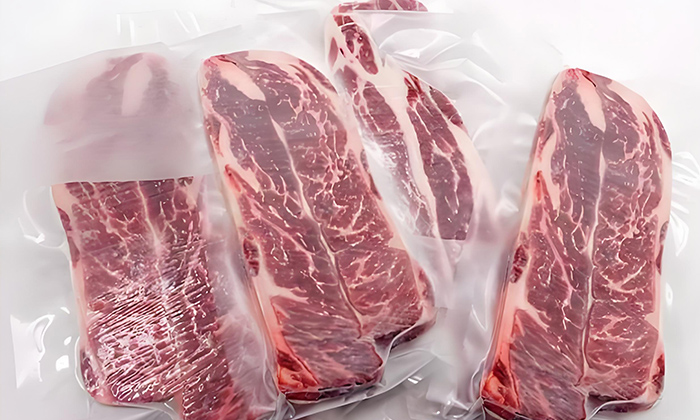
Vacuum-packed meat products are a staple in modern food supply chains, offering convenience and extended freshness. However, ensuring microbial safety without compromising quality requires advanced technology. Retort sterilization has emerged as a gold-standard method for preserving vacuum-sealed meats. In this article, we explore how retort sterilization works, its advantages, and why it’s critical for manufacturers aiming to deliver safe, long-lasting products.
Why Retort Sterilization Matters for Vacuum-Packed Meat
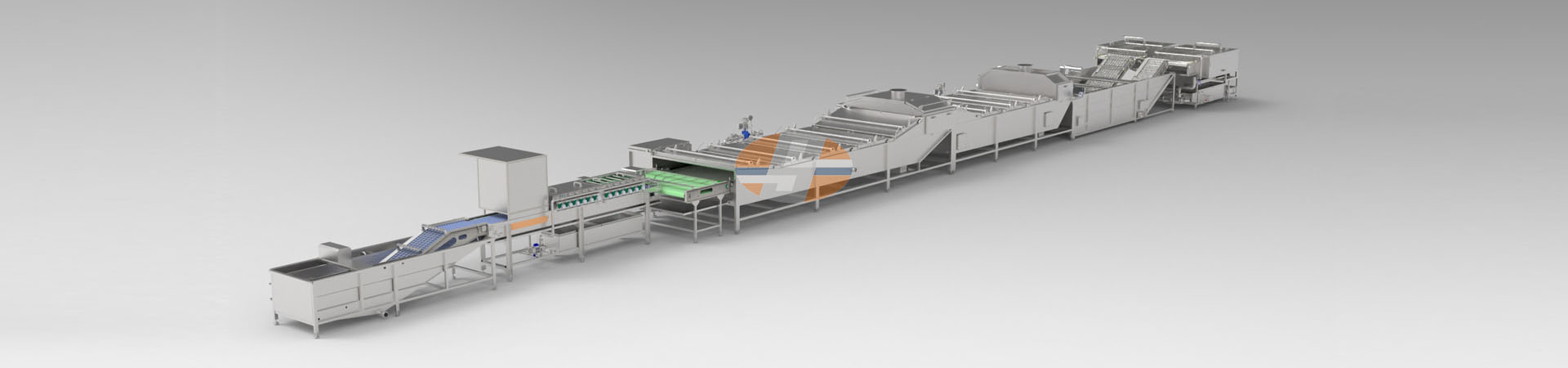
lRetort sterilization is a thermal processing technique that eliminates harmful bacteria, spores, and pathogens in vacuum-packed meats. Unlike traditional methods, retorts use precise temperature and pressure control to penetrate sealed packaging, ensuring 100% microbial safety while retaining texture, flavor, and nutritional value.
How Retort Sterilization Works: Step-by-Step
lLoading: Vacuum-sealed meat products are placed in a retort chamber.
lHeating: High-temperature steam (typically 240–250°F/116–121°C) uniformly heats the packages.
lPressure Control: Adjustable pressure prevents package rupture during expansion.
lCooling: Rapid cooling locks in freshness and halts overcooking.
This FDA-approved process ensures compliance with HACCP guidelines and global food safety standards.
Benefits of Retort Sterilization
lExtended Shelf Life: Achieve 12–24 months of stability without refrigeration.
lNutrient Retention: Gentle yet effective heat treatment preserves vitamins and proteins and quite suitable for low-acid food processing
lEco-Friendly: Reduces food waste and energy costs compared to freezing.
lVersatility: Compatible with pouches, trays, and cans.
Industry Best Practices for Optimal Results
lPre-Sterilization Checks: Validate vacuum seal integrity to prevent contamination.
lCycle Validation: Conduct heat distribution tests for uniform processing.
lPost-Process Testing: Use microbial assays to verify sterility.
Manufacturers should invest in automated retort systems with real-time monitoring to minimize human error.
FAQs About SUNLINN Retort Technology
Q: Is SUNLINN equipment suitable for organic or grass-fed meats?
A: Absolutely. SUNLINN’s chemical-free process aligns with organic, halal, and kosher certifications.
Q: Can SUNLINN retorts handle flexible packaging formats?
A: Yes—from vacuum pouches to rigid trays, SUNLINN systems support all commercial packaging types.
Conclusion
Retort sterilization is an ideal thermal processing for meat products and for vacuum-packed meat producers prioritizing safety, quality, and sustainability. By adopting this technology, SUNLINN can meet consumer demand for preservative-free, Shelf-stable meat packaging, ready-to-eat products while boosting supply chain efficiency.
Call to Action:
Ready to upgrade your meat processing line? Explore SUNLINN’s retort sterilization solutions or contact our team for a customized consultation.